Field Manual / Issue 24

Boon Yong Yang

I build the parts that make a Flutter app shippable, then stay with it through store review, production feedback, and the next release.

What I owned when these apps had to ship.

Two Flutter products, shown through the constraints and decisions I worked on directly.

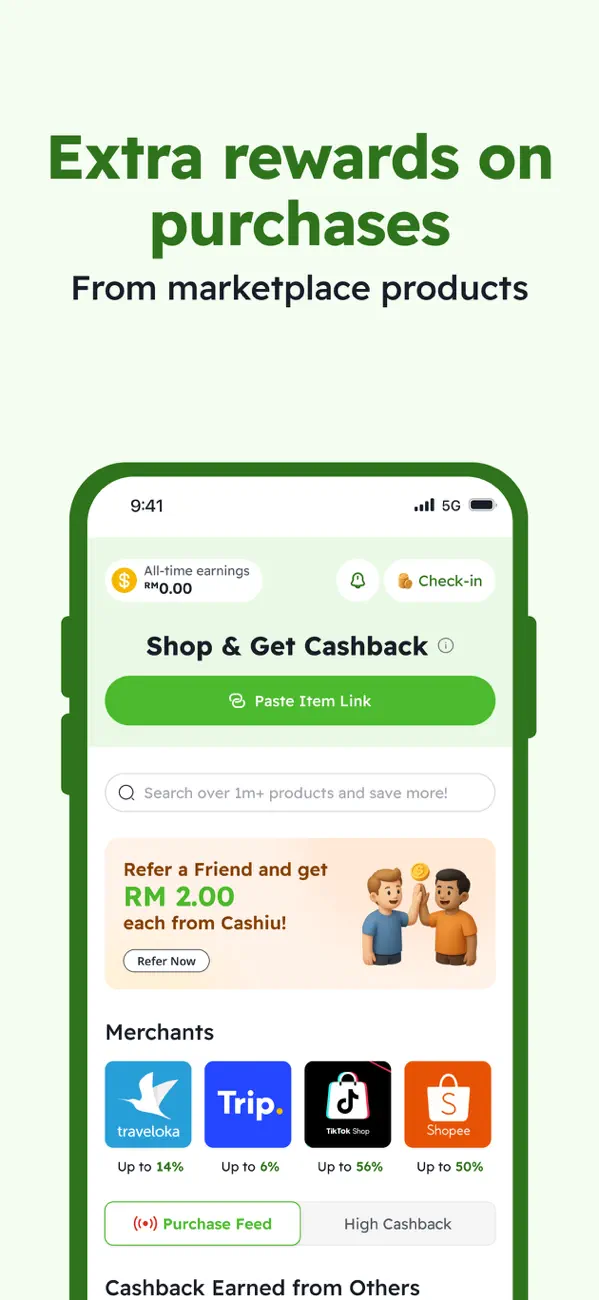
Involve Asia app overview showing recommended affiliate offers and deeplink performance
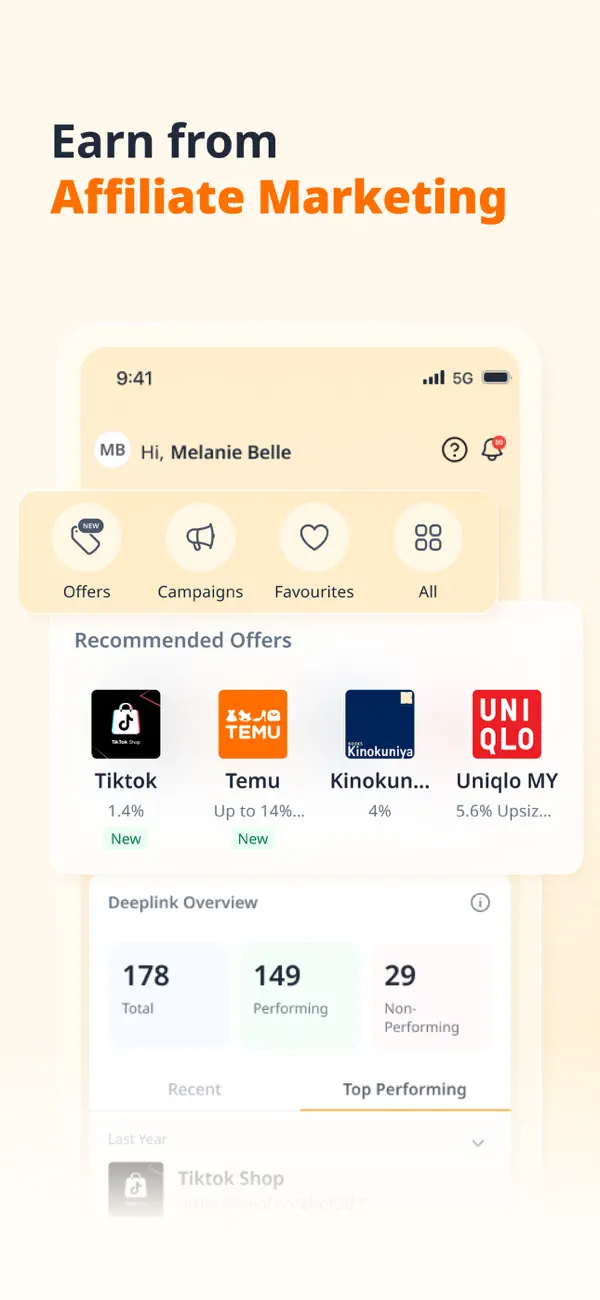
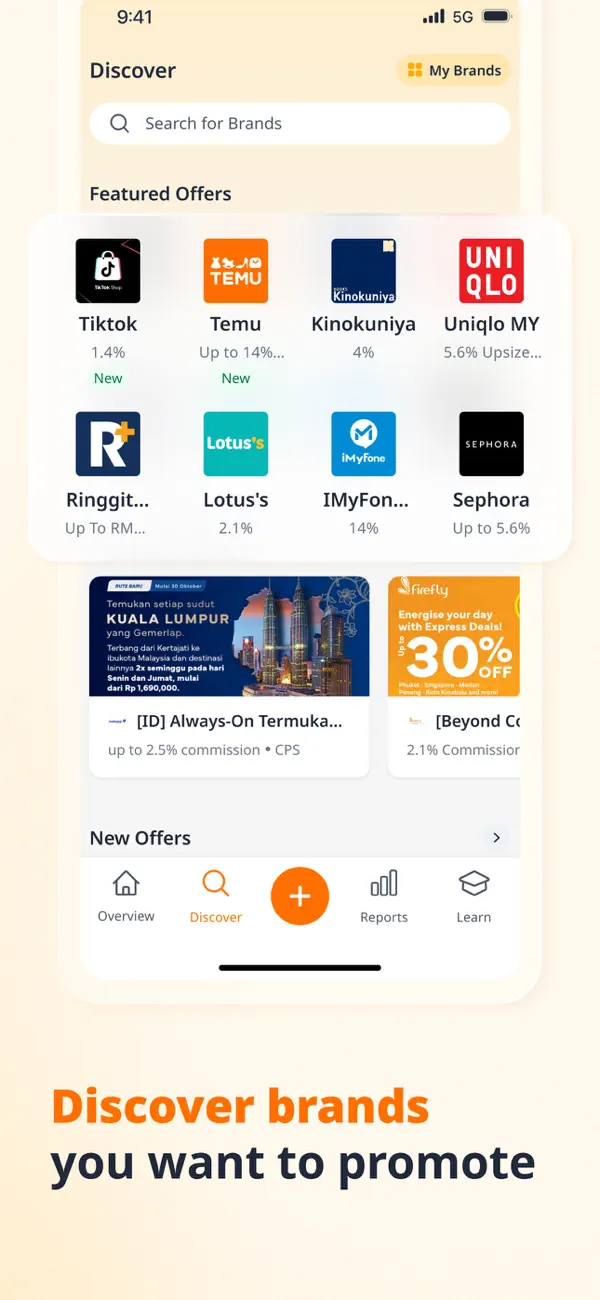
Involve Asia app discovery screen showing featured brands and affiliate offers
Publisher-provided screens from the current store listing.
01

Shipped on both mobile stores

Involve Asia Mobile App

Flutter engineer on the initial mobile release

I worked on the initial mobile release for Involve Asia. The app gives publishers a practical way to find offers, create links, read performance data, and manage commissions away from a desktop.

Constraint
The first release had a compressed delivery timeline and several core publisher workflows.
Decision
I established the Flutter and BLoC foundations so offer discovery, reporting, analytics, and withdrawals could evolve without becoming one feature boundary.
Artifact
Offer discovery and deeplink performance flows shown in the store listing screens.
Result
The product shipped on iOS and Android for publishers using a platform with more than 500 advertisers.
Cashiu app shopping screen showing cashback merchants and purchase-link entry
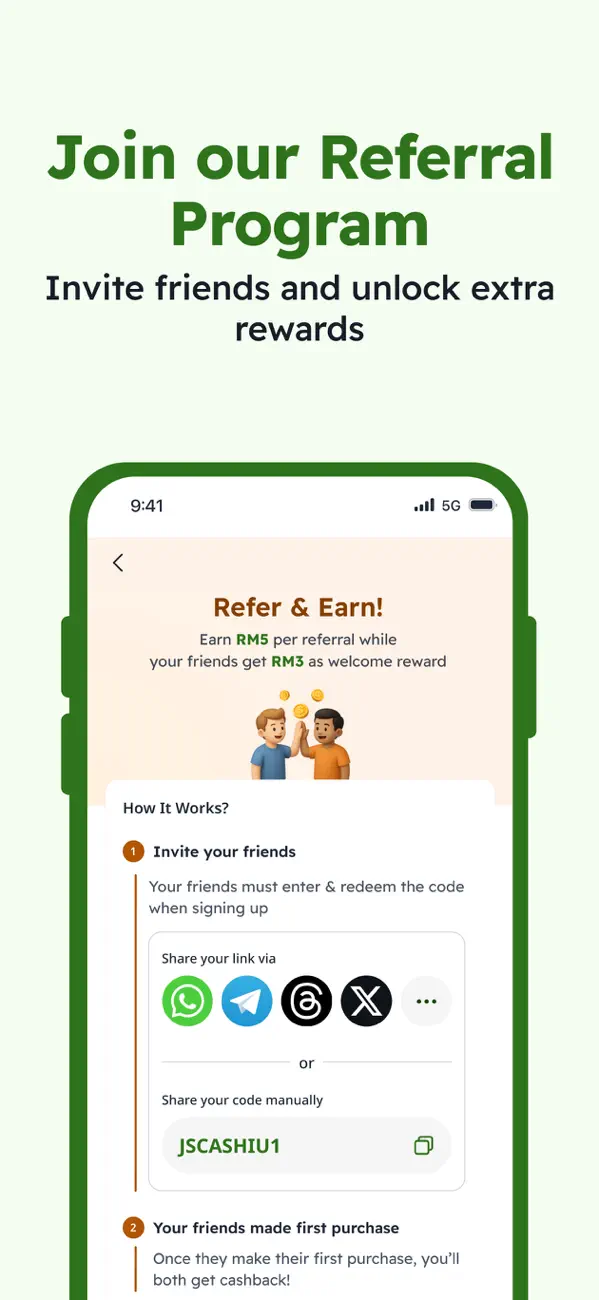
Cashiu app referral screen explaining invite rewards and code sharing
Publisher-provided screens from the current store listing.
02

Listed in Malaysia; first launched as Cha Ching

Cashiu: Everyday cashback

Flutter engineer across the first cashback releases

I worked on this cashback product when it launched as Cha Ching. It is now listed in Malaysia as Cashiu, with the same account, wallet, and purchase history carried into the new name.

Constraint
A purchase had to move from merchant discovery into an affiliate handoff while keeping cashback status understandable.
Decision
I integrated Shopee Malaysia affiliate APIs and kept shopping, tracking, profile, and transaction work connected to the same purchase path.
Artifact
Cashback merchant discovery and referral reward flows shown in the current store listing.
Result
The product reached both stores, then carried existing accounts, wallets, and history into the Cashiu name.

I make release constraints part of the architecture.

Store delivery, analytics, integrations, and production failures affect how I shape the code from the beginning.

  1. 01

    Start from the product constraint

    I map the purchase, attribution, reporting, or withdrawal path before choosing code boundaries.

  2. 02

    Protect the decisions likely to change

    BLoC, repositories, and native integrations earn their place by keeping product changes understandable.

  3. 03

    Keep the release path close to the code

    Signing, automation, store delivery, and rollback work stay visible before the release window.

  4. 04

    Feed production back into the next build

    Crash reports, profiling, and support signals turn release outcomes into the next engineering decision.

Working code I use to test an approach.

Each project exposes a decision you can inspect rather than another technology list.

Need a Flutter engineer who will stay through release?